A Practical Guide to Choosing Studio Camera Equipment
Understanding camera systems, lenses, and essential accessories for professional studio photography work
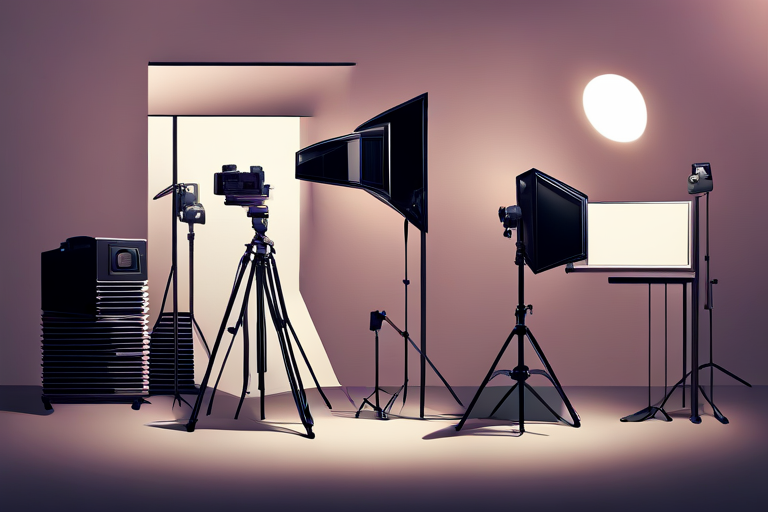
Selecting camera equipment for studio work involves understanding specific requirements that differ from location or event photography. Studio environments provide controlled conditions where image quality, consistency, and technical precision take priority over portability and versatility. This guide examines the practical considerations for choosing cameras, lenses, and support equipment for studio photography.
Camera Body Selection
Studio cameras prioritise resolution, dynamic range, and colour accuracy over features like continuous shooting speed or extensive autofocus systems. Full-frame sensors remain the standard for most studio work, providing excellent image quality and shallower depth of field control compared to crop sensor alternatives.
Resolution requirements depend on the intended output. Product photography for large format printing or detailed retouching benefits from cameras offering 45 megapixels or higher. Portrait and fashion work functions well with 24-30 megapixel sensors, which provide sufficient detail whilst maintaining manageable file sizes. The relationship between resolution and storage, processing power, and workflow efficiency requires consideration alongside image quality needs.
Dynamic range capability affects how cameras handle studio lighting contrast. Modern full-frame cameras from Canon, Sony, and Nikon systems all provide adequate dynamic range for controlled studio lighting. The practical difference between systems becomes less significant when working with proper lighting techniques that keep contrast within manageable ranges.
Tethered shooting capability represents an essential studio feature. The ability to connect cameras directly to computers for immediate image review and client feedback streamlines the studio workflow. Most professional cameras support tethering through USB or wireless connections, though connection stability and transfer speed vary between systems. Testing tethering performance with your specific workflow prevents frustration during actual studio sessions.
Lens Considerations for Studio Work
Studio lens selection differs from general photography lens requirements. Fixed focal length lenses, commonly called prime lenses, dominate studio work due to their superior optical quality, wider maximum apertures, and more consistent performance. The ability to move the camera position in a studio environment makes zoom versatility less critical than in location work.
The 50mm focal length serves as a foundational studio lens, providing a natural perspective for head and shoulders portraits whilst maintaining comfortable working distances from subjects. On full-frame cameras, 50mm lenses deliver flattering proportions without the spatial compression of longer telephotos or the distortion characteristics of wider angles.
85mm lenses represent another studio standard, particularly for portrait work. The longer focal length provides natural-looking facial features whilst creating pleasant background separation through shallower depth of field. The working distance required by 85mm lenses suits many studio spaces whilst maintaining comfortable interaction distances with subjects.
Wider focal lengths, particularly 35mm, find application in studio settings requiring environmental context or product photography where showing spatial relationships matters. These lenses maintain acceptable perspective distortion when used carefully, though photographers should remain aware of edge distortion when positioning subjects near frame borders.
Aperture Requirements and Depth of Field Control
Maximum aperture specifications influence both low-light capability and creative depth of field control. Studio work typically benefits from lenses offering f/1.4 to f/2.8 maximum apertures, though photographers often work at f/5.6 to f/11 for adequate depth of field across subjects.
The distinction between f/1.4 and f/1.8 lenses involves more than one stop of light gathering. Build quality, focusing precision, and optical performance at various apertures often differ significantly between these price points. Testing specific lenses at working apertures provides better purchasing guidance than specifications alone.
Depth of field calculations become particularly relevant in studio portraiture. At common portrait distances and apertures, the zone of acceptable sharpness may measure only a few centimetres. Understanding this limitation helps photographers position subjects appropriately and choose apertures that maintain sharpness across important image areas whilst achieving desired background separation.
Camera Support and Stability
Studio camera support differs from location tripod requirements. Heavy-duty studio stands provide exceptional stability whilst allowing convenient height adjustment and precise positioning. Unlike lightweight travel tripods, studio stands prioritise stability and payload capacity over packability.
Geared heads offer precise positioning control valuable for product photography and technical work requiring exact framing. Whilst heavier and slower to adjust than ball heads, geared systems allow incremental adjustments along individual axes without affecting other positioning parameters.
Tethering cables introduce potential stability issues when cameras connect to computers. Cable management systems and proper cable routing prevent accidental camera movement during sessions. Some photographers prefer wireless tethering solutions despite typically slower transfer speeds to eliminate cable-related movement risks.
Colour Management and Calibration
Studio work demands consistent colour reproduction across sessions. Proper colour management begins with calibrated monitors and continues through controlled shooting environments and standardised processing workflows. Whilst cameras themselves provide generally accurate colour, achieving consistent results requires attention to the entire imaging chain.
Colour checker targets placed in test frames establish colour reference points for processing software. This practice proves particularly valuable for commercial work requiring precise colour matching or when shooting products where colour accuracy affects purchasing decisions.
Custom white balance settings based on studio lighting conditions improve colour consistency compared to automatic white balance modes. Taking white balance references under actual shooting lighting eliminates colour shifts between frames and reduces processing time.
Memory and Storage Considerations
High-resolution studio cameras generate substantial file sizes, particularly when shooting RAW format. A 45-megapixel camera produces RAW files approaching 80-100MB each, meaning even moderate shooting sessions quickly consume storage capacity. Planning adequate memory card capacity and backup storage prevents workflow interruptions.
Dual card slots provide security through simultaneous backup recording or allow separation of RAW and JPEG files to different cards. The specific implementation varies between camera systems, with some offering identical card types in both slots whilst others mix formats. Understanding how your camera handles dual card recording ensures appropriate backup strategies.
Transfer speeds affect tethered shooting performance and card download times. Faster memory cards and computer connections improve workflow efficiency, though the practical difference diminishes beyond certain thresholds. Testing your specific equipment combination identifies genuine bottlenecks worth addressing through upgrades.
Practical Integration with Lighting Equipment
Camera equipment choices interact with studio lighting systems. Cameras with extended flash sync speeds or high-speed sync capabilities offer more flexibility with artificial lighting, though these features matter less when working with continuous studio lights.
Some cameras provide built-in wireless flash control for compatible lighting systems. This integration streamlines lighting adjustments though many studio photographers prefer dedicated lighting controllers offering more sophisticated control options.
Rental Versus Purchase Decisions
Equipment rental makes particular sense for studio work given the controlled environment and predictable workflows. Studios can maintain consistent equipment choices across projects through rental relationships whilst avoiding capital expenses and depreciation. This approach also allows testing equipment thoroughly before potential purchases.
Rental equipment typically arrives maintained to professional standards, with current firmware updates and proper sensor cleaning. Established rental services understand studio requirements and can recommend appropriate equipment for specific project needs.
Conclusion
Studio camera equipment selection balances technical requirements with practical workflow considerations. Whilst specifications provide useful comparison points, actual studio performance depends on how equipment integrates with lighting systems, post-processing workflows, and specific project requirements. Understanding these relationships helps photographers and studios make equipment choices that support their particular working methods rather than simply pursuing the highest specifications.
Testing equipment in actual studio conditions before committing to purchases or long-term rental agreements provides valuable insight into practical performance. Many equipment characteristics only become apparent through actual use rather than specification comparison.